

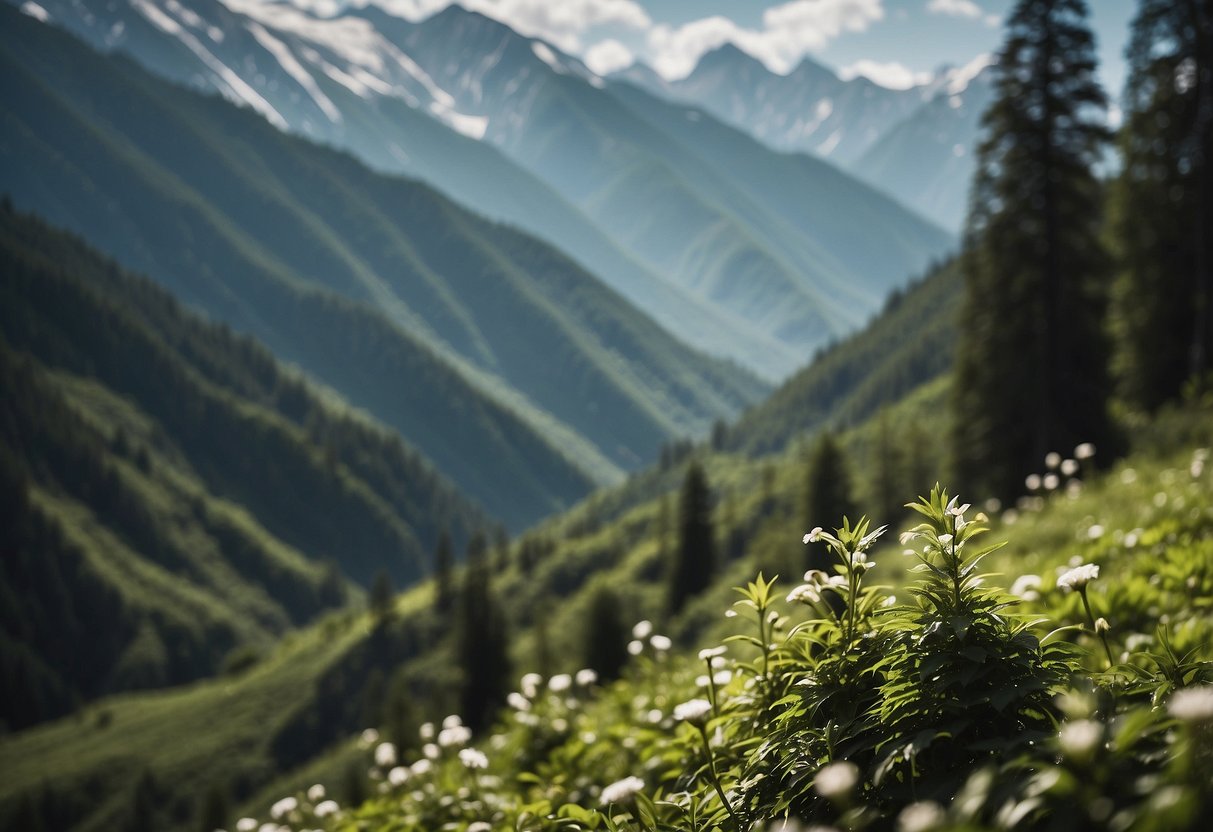
Himachal Pradesh sits in the northern Indian Himalayas and is one of India’s most popular mountain destinations. The state is known for colonial hill stations, high-altitude valleys, Buddhist monasteries, apple orchards, forests, trekking routes, adventure sports, and scenic road trips.
From the heritage streets of Shimla to the adventure base of Manali, the Tibetan culture of Dharamshala, the cold desert landscapes of Spiti, the paragliding fields of Bir Billing, and the quiet valleys of Tirthan and Chamba, Himachal Pradesh offers a wide range of travel experiences.
Quick answer: The best time to visit Himachal Pradesh is generally March to June for summer travel and September to November for clear skies, road trips, trekking, and photography. Winter is best for snow experiences, while monsoon travel requires caution due to landslides and road disruptions.
Flying to Himachal Pradesh requires a flexible mountain-weather plan. Shimla, Kullu-Manali, and Kangra airports serve different regions, while Chandigarh and Delhi often provide more flight choices. Explore our India travel and aviation guides, confirm the operating flight near departure, and leave road-transfer buffer for snow, landslides, or visibility delays.
Why Visit Himachal Pradesh?
Himachal Pradesh is one of India’s most complete mountain destinations.
It works well for family holidays, solo travel, trekking, adventure sports, spiritual retreats, road trips, honeymoon travel, wildlife experiences, and slow mountain stays.
Travellers visit Himachal Pradesh for:
- Himalayan views
- Hill stations
- Trekking and camping
- Buddhist monasteries
- Paragliding in Bir Billing
- Snow experiences in winter
- Apple orchards and mountain villages
- Colonial architecture in Shimla and Dalhousie
- Tibetan culture in Dharamshala and McLeod Ganj
- Remote cold-desert landscapes in Spiti
- UNESCO-listed natural and railway heritage
The state is easy to access from Delhi, Chandigarh, Punjab, Haryana, and Uttarakhand, but travel within Himachal can still be slow because of mountain roads.
Best Time to Visit Himachal Pradesh
Himachal Pradesh can be visited throughout most of the year, but the best time depends on the region and the type of trip.
March to June
This is one of the best times for sightseeing, family trips, trekking, and road travel.
Shimla, Manali, Dharamshala, Dalhousie, Kasauli, Palampur, Kullu, Tirthan Valley, and Chamba are popular during this period. Weather is usually pleasant in the hills, although tourist areas can be crowded during school holidays and long weekends.
July to September
This is the monsoon season in much of Himachal Pradesh. Heavy rain can cause landslides, road closures, traffic delays, and sudden route changes.
Spiti and parts of Lahaul receive less monsoon rainfall than lower Himachal because they lie in the rain shadow. However, access routes can still be affected by landslides, water crossings, road damage, and weather disruptions.
Travel during the monsoon only if you are flexible and ready for delays.
September to November
This is one of the best times to visit Himachal Pradesh.
The skies are usually clearer, the air is crisp, and mountain views are excellent. This period is ideal for road trips, photography, trekking, apple-harvest experiences, Spiti travel, and cultural festivals.
December to February
Winter brings snow to higher regions and cold conditions across the state.
This is a good time for snow-focused trips to Manali, Kufri, Narkanda, Dalhousie, and other high-altitude areas. Some roads and passes may close because of snow, and remote areas require careful planning.
Top Destinations in Himachal Pradesh
Shimla
Shimla is one of India’s most famous hill stations. It was once the summer capital of British India and still carries a strong colonial-era character.
The town is known for Mall Road, The Ridge, old churches, colonial buildings, forested walks, cafes, viewpoints, and the UNESCO-listed Kalka-Shimla Railway.
Top Places to Visit in Shimla
Popular attractions include:
- The Ridge
- Mall Road
- Christ Church
- Jakhu Temple
- Viceregal Lodge
- Kali Bari Temple
- Lakkar Bazaar
- Annandale
- Kufri
- Naldehra
- Mashobra
- Chail
Shimla is a good choice for first-time visitors, families, couples, and travelers who want an easy hill-station experience.
Kalka-Shimla Railway
The Kalka-Shimla Railway is part of the UNESCO-listed Mountain Railways of India. It is known for tunnels, bridges, curves, and scenic hill views.
The train journey is slower than road travel, but it is one of the most memorable ways to reach Shimla.
Best Time to Visit Shimla
March to June is ideal for pleasant weather. September to November is good for clear views and fewer crowds. December to February is popular for winter trips, although snow is not guaranteed in Shimla town every year.
Manali
Manali is one of Himachal Pradesh’s most visited destinations and a major base for adventure, snow trips, road journeys, cafes, trekking, and access to Lahaul and Spiti.
Located in the Kullu Valley, Manali is surrounded by mountains, forests, rivers, villages, and high-altitude routes.
Top Places to Visit in Manali
Popular attractions include:
- Hadimba Devi Temple
- Old Manali
- Manu Temple
- Vashisht Temple and hot springs
- Solang Valley
- Jogini Falls
- Mall Road
- Van Vihar
- Naggar Castle
- Rohtang Pass, subject to permits and road conditions
- Atal Tunnel route toward Lahaul
Solang Valley
Solang Valley is one of the main adventure areas near Manali. Activities may include paragliding, ropeway rides, ATV rides, snow activities, winter skiing, and short hikes, depending on the season and operator availability.
Activity options, prices, and safety rules vary, so travellers should book through reputable operators.
Rohtang Pass
Rohtang Pass is one of the most famous high-altitude routes near Manali. Vehicle permits are required for tourism visits, and quotas, fees, validity periods, and rules may change.
Travellers should apply for a Rohtang permit through the official portal and check road conditions before planning their trip.
Rohtang can be affected by snow, weather, traffic control, and seasonal closures.
Atal Tunnel
The Atal Tunnel has improved access from Manali toward Lahaul and beyond. It has made travel to the Lahaul side easier than the older Rohtang-only route.
However, onward mountain roads can still be affected by snow, weather, maintenance, traffic restrictions, and local advisories.
Best Time to Visit Manali
March to June is best for sightseeing and summer travel. September to November is good for clearer skies and road trips. December to February is best for snow-focused travel, depending on snowfall and road access.
Dharamshala and McLeod Ganj
Dharamshala and McLeod Ganj are among the most culturally distinct destinations in Himachal Pradesh.
Dharamshala is the larger town, while McLeod Ganj is the Tibetan cultural centre and the residence area associated with the Dalai Lama. The region is known for monasteries, cafes, treks, yoga, meditation, Tibetan food, and views of the Dhauladhar mountains.
Top Places to Visit in Dharamshala and McLeod Ganj
Popular attractions include:
- Tsuglagkhang Complex
- Namgyal Monastery
- Tibet Museum
- Bhagsu Nag Temple and waterfall
- Dharamkot
- Naddi viewpoint
- St John in the Wilderness Church
- Dal Lake
- Kangra Fort
- Norbulingka Institute
- Tea gardens around Dharamshala and Palampur
Triund Trek
Triund is one of Himachal Pradesh’s most popular beginner-friendly treks. The trail starts near McLeod Ganj or Dharamkot and leads to a ridge with views of the Dhauladhar range and Kangra Valley.
Rules for camping and access can change, so check local guidance before planning an overnight trek.
Best Time to Visit Dharamshala and McLeod Ganj
March to June and September to November are the best periods. Winter is cold but scenic. Monsoon can bring heavy rain and slippery trails.
Spiti Valley
Spiti Valley is one of the most dramatic regions of Himachal Pradesh. It is a high-altitude cold desert known for Buddhist monasteries, remote villages, stark mountains, clear skies, and ancient cultural links with Tibet.
Spiti is not a typical hill-station trip. Roads are long, facilities are basic in many places, and altitude can affect travellers. It is best for those who enjoy remote landscapes and slow travel.
Top Places to Visit in Spiti
Popular places include:
- Kaza
- Key Monastery
- Kibber
- Chicham Bridge
- Langza
- Hikkim
- Komic
- Tabo Monastery
- Dhankar Monastery
- Pin Valley
- Chandratal Lake, subject to seasonal access and permissions
- Losar
- Kunzum Pass, subject to road opening
Spiti Permit Guidance
Most of Himachal Pradesh is open to Indian travellers without a state entry permit. However, vehicle e-passes, route permissions, or local travel restrictions may apply for certain routes, including Rohtang, Chandratal, and parts of Lahaul-Spiti, depending on the season and official advisories.
Foreign nationals need Protected Area Permits for designated protected areas in parts of Lahaul-Spiti and border-sensitive regions. Foreign travellers should check current rules through district authorities, official tourism sources, or registered operators before planning.
Best Time to Visit Spiti
June to September is the most common travel period for Spiti road trips, depending on pass openings and route conditions.
The Shimla-Kinnaur side is often used for gradual altitude gain, while the Manali side is shorter but more dependent on high-pass conditions.
Winter Spiti is possible but difficult. It requires careful planning, local support, warm clothing, and flexibility.
Bir Billing
Bir Billing is one of India’s most famous paragliding destinations and is often called the Paragliding Capital of India.
Bir is the landing area, while Billing is the take-off site. The region is also known for Tibetan monasteries, cafes, meditation centres, tea gardens, and a relaxed long-stay travel culture.
Things to Do in Bir Billing
Popular experiences include:
- Tandem paragliding with licensed operators
- Paragliding courses, where available
- Visiting Chokling Monastery
- Exploring the Tibetan Colony
- Cafe hopping
- Short hikes and cycling
- Visiting nearby tea gardens
- Day trips toward Baijnath and Palampur
Paragliding depends on weather, wind conditions, operator approval, and safety regulations. Travellers should choose licensed operators and avoid unauthorised take-off sites.
Best Time to Visit Bir Billing
March to May and October to November are usually good periods for paragliding and outdoor travel. Weather and flying conditions should always be checked locally.
Kullu and Parvati Valley
Kullu Valley is one of Himachal’s most important travel corridors. It connects Bhuntar, Kullu, Manali, Naggar, and several surrounding valleys.
Parvati Valley branches from the Kullu region and is known for riverside villages, treks, hot springs, backpacker stays, cafes, and mountain views.
Popular Places in Kullu and Parvati Valley
Key places include:
- Kullu town
- Naggar
- Kasol
- Manikaran
- Tosh
- Barshaini
- Kheerganga trek
- Malana, subject to local access rules and respectful travel practices
- Tirthan Valley and Jibhi are nearby slow-travel alternatives
Kullu Dussehra
Kullu Dussehra is one of Himachal Pradesh’s major cultural events. It is different from many Dussehra celebrations elsewhere in India and is known for the gathering of local deities, traditional processions, music, and community participation.
Dates follow the festival calendar, so travellers should check the official schedule before planning.
Dalhousie and Chamba
Dalhousie is a colonial-era hill station in the Chamba district. It is quieter than Shimla and Manali and is known for old churches, forest walks, mountain views, and access to Khajjiar and Chamba.
Top Places to Visit Around Dalhousie
Popular attractions include:
- Khajjiar
- Dainkund Peak
- Panchpula
- Subhash Baoli
- St John’s Church
- St Francis Church
- Kalatop Wildlife Sanctuary
- Chamba town
Khajjiar
Khajjiar is a meadow surrounded by deodar forests and mountain scenery. It is often promoted as “Mini Switzerland,” although it is best appreciated as a scenic Himachali meadow rather than compared to another country.
Chamba
Chamba is a historic town known for temples, traditional art, Pahari miniature painting, the Ravi River, and old Himachali architecture.
Key places include the Lakshmi Narayan Temple complex, Bhuri Singh Museum, and local markets.
Kasauli
Kasauli is a quiet cantonment town near Chandigarh. It is known for pine forests, colonial-era charm, walking trails, viewpoints, and a slower pace.
It is a good option for a short weekend trip from Chandigarh, Delhi, or nearby cities.
Popular places include:
- Mall Road
- Gilbert Trail
- Monkey Point
- Christ Church
- Sunset Point
- Nearby cafes and forest walks
Palampur and Kangra
Palampur is known for tea gardens, Dhauladhar mountain views, monasteries, and a relaxed atmosphere. It is a good alternative to busier hill towns.
Kangra is known for its heritage, temples, forts, and cultural sites.
Popular places include:
- Palampur tea gardens
- Baijnath Temple
- Tashi Jong Monastery
- Kangra Fort
- Masroor Rock Cut Temple
- Maharana Pratap Sagar wetland region
- Andretta artists’ village
This region is ideal for slow travel, heritage exploration, photography, and tea-estate stays.
Tirthan Valley and Jibhi
Tirthan Valley and Jibhi are quieter mountain destinations in the Kullu district. They are known for rivers, forests, homestays, trout streams, short hikes, and access to the Great Himalayan National Park region.
These areas are good for travellers who want a slower and less commercial alternative to Manali.
Popular experiences include:
- Riverside homestays
- Village walks
- Short forest hikes
- Trout fishing where permitted
- Day trips to Jalori Pass, subject to weather and road access
- Great Himalayan National Park buffer region experiences
Trekking in Himachal Pradesh
Himachal Pradesh is one of India’s best trekking states. The trails range from short beginner hikes to difficult high-altitude expeditions.
Popular treks include:
- Triund Trek
- Kheerganga Trek
- Bhrigu Lake Trek
- Hampta Pass Trek
- Beas Kund Trek
- Kareri Lake Trek
- Chandrakhani Pass Trek
- Prashar Lake Trek
- Pin Parvati Pass Trek
- Deo Tibba Base Camp Trek
- Great Himalayan National Park treks
- Spiti and Pin Valley trails
Trek conditions vary by season. Snow, rain, trail closures, permit rules, camping restrictions, and local advisories can change. Always check current conditions and use experienced guides for remote or high-altitude routes.
Best Treks for Beginners
Good beginner-friendly options include:
- Triund
- Prashar Lake
- Kheerganga
- Kareri Lake
- Beas Kund, with proper preparation
- Short hikes around Jibhi, Tirthan, and Dharamshala
Best Treks for Experienced Travelers
More challenging options include:
- Hampta Pass
- Pin Parvati Pass
- Bhrigu Lake in difficult weather conditions
- Great Himalayan National Park multi-day treks
- High-altitude Spiti and Kinnaur routes
- Remote Lahaul treks
High-altitude trekking requires fitness, acclimatisation, proper gear, and reliable local support.

Adventure Activities in Himachal Pradesh
Himachal Pradesh is one of India’s strongest adventure travel states. Activities are seasonal and should be booked through licensed or reputable operators.
Paragliding
Bir Billing is the best-known paragliding destination in Himachal Pradesh. Solang Valley and some other locations may also offer shorter flights, depending on conditions and permissions.
Choose licensed pilots and avoid unauthorised sites.
Skiing and Snow Activities
Snow activities are popular in Solang Valley, Kufri, Narkanda, and selected high-altitude areas during winter.
Snowfall varies from year to year, so check current conditions before booking.
River Rafting
River rafting is commonly offered on the Beas River near Kullu and on other selected river stretches, depending on water levels and season.
Safety standards matter. Use experienced operators and avoid rafting during unsafe river conditions.
Mountain Biking
Himachal has several scenic biking routes, especially around Manali, Spiti, Lahaul, Kinnaur, and the Manali-Leh axis.
These routes require fitness, acclimatisation, backup planning, and awareness of road conditions.
Angling
Trout fishing is associated with rivers and streams in regions such as Tirthan, Barot, Rohru, and parts of Kullu. Permits may be required, and conservation rules should be followed.
Rock Climbing and Mountaineering
Manali and surrounding regions offer mountaineering and climbing training through recognised institutions and operators. Serious climbs require technical skills and proper guidance.
Wildlife and Nature in Himachal Pradesh
Himachal Pradesh has rich Himalayan biodiversity, with forests, alpine meadows, rivers, valleys, and protected areas.
The state is not known for classic tiger safaris. Its wildlife identity is more strongly linked to high-altitude species, Himalayan forests, pheasants, bears, mountain ungulates, and snow leopard habitats.
Great Himalayan National Park
The Great Himalayan National Park Conservation Area is a UNESCO World Heritage Site in the Kullu region. It is known for high Himalayan ecosystems, forests, alpine meadows, glaciers, rivers, and biodiversity.
Wildlife associated with the park includes the snow leopard, common leopard, Himalayan tahr, bharal, Himalayan black bear, brown bear, musk deer, Himalayan monal, and Western Tragopan.
Motor vehicles are not used for sightseeing inside the core wilderness areas. Exploration is generally done on foot with guides and proper permissions.
Best Time to Visit GHNP
April to June and September to November are good periods for trekking and nature-based visits. Winter and monsoon require more caution.
Pin Valley National Park
Pin Valley National Park lies in the cold desert region of Spiti. It is known for high-altitude landscapes and wildlife such as the snow leopard, ibex, Himalayan wolf, and other cold-desert species.
Winter snow leopard tracking may be possible with specialist local operators, but conditions are harsh, and sightings are never guaranteed.
Chail Wildlife Sanctuary
Chail Wildlife Sanctuary is located near Shimla and is known for forest landscapes, birds, deer, and Himalayan wildlife.
Chail is also known for its old hill-station character, palace heritage, and peaceful walking routes.
Himachal Pradesh Cuisine
Himachali cuisine is hearty, regional, and closely linked to mountain life. It uses local grains, pulses, dairy, seasonal vegetables, river fish, and fermented foods.
Food varies across Kangra, Chamba, Kullu, Mandi, Lahaul, Spiti, Kinnaur, and Shimla regions.
Must-Try Dishes
Popular Himachali dishes include:
- Dhaam
- Chana madra
- Sidu
- Babru
- Bhey
- Aloo palda
- Tudkiya bhath
- Sepu vadi
- Trout preparations in river regions
- Thukpa and momos in Tibetan-influenced areas
- Local pickles and chutneys
- Apple juice and fruit-based products
Local Drinks
Traditional drinks such as chhaang, lugdi, and local fruit-based beverages may be found in certain regions. Alcohol rules, availability, and cultural practices vary, so consume responsibly and respectfully.
Festivals in Himachal Pradesh
Himachal Pradesh has many local fairs and festivals. Dates can change because many festivals follow lunar or local calendars.
Important festivals include:
- Kullu Dussehra
- Mandi Shivratri Fair
- Losar in Tibetan Buddhist regions
- Minjar Fair in Chamba
- Renuka Fair
- Shimla Summer Festival
- Ice skating events in Shimla, subject to weather
- Local deity festivals across Kullu, Mandi, Chamba, and Kinnaur
Festivals are a good way to experience Himachal’s living culture, but accommodation can fill quickly during major events.
How to Reach Himachal Pradesh
Himachal Pradesh can be reached by air, train, and road. Road travel is the most important mode for moving within the state.
By Air
Main airports serving Himachal Pradesh include:
- Shimla Airport
- Kullu-Manali Airport at Bhuntar
- Kangra Airport at Gaggal near Dharamshala
Flight schedules can be limited and weather-dependent. Travellers should check current routes before booking.
Many visitors also use Chandigarh, Delhi, Amritsar, or Pathankot as wider access points.
By Train
The Kalka-Shimla Railway is the most famous rail route into Himachal Pradesh and is part of the UNESCO Mountain Railways of India listing.
Other useful railheads include Kalka, Chandigarh, Pathankot, Una, and Amb Andaura, depending on the destination.
The Pathankot-Jogindernagar narrow-gauge line also serves parts of lower Himachal, though travel times and services should be checked before planning.
By Road
Road travel is the most common way to explore Himachal Pradesh.
HRTC buses, private buses, taxis, self-drive vehicles, and shared cabs connect major towns. Volvo and long-distance buses operate from Delhi, Chandigarh, and other cities to places such as Shimla, Manali, Dharamshala, and Dalhousie.
Mountain roads can be narrow and slow. Landslides, snow, traffic, construction, and weather can affect travel times.
Getting Around Himachal Pradesh
For short trips, taxis and local buses work well around major towns.
For remote routes such as Spiti, Kinnaur, Lahaul, Tirthan, and high passes, an experienced mountain driver and a suitable vehicle are strongly recommended.
Avoid driving at night in mountainous areas, especially during the monsoon or winter, or on unfamiliar roads.
Accommodation in Himachal Pradesh
Himachal Pradesh offers a wide range of accommodation, from luxury resorts to basic homestays.
Shimla
Shimla has heritage hotels, luxury resorts, HPTDC properties, boutique stays, guesthouses, and budget hotels. Stay near Mall Road for convenience or outside town for quieter views.
Manali
Manali offers resorts, hotels, riverside stays, hostels, guesthouses, and homestays. Old Manali is popular with backpackers and cafe travellers, while areas around Prini, Naggar, and outside town suit quieter stays.
Dharamshala and McLeod Ganj
Accommodation includes Tibetan-style guesthouses, hostels, boutique hotels, meditation stays, homestays, and mid-range hotels. Dharamkot and Bhagsu are popular with long-stay travellers.
Spiti
Spiti has homestays, basic guesthouses, small hotels, camps, and simple lodges. Facilities can be limited, especially in remote villages. Heating, hot water, electricity, and mobile coverage should be confirmed before booking.
Tirthan, Jibhi, and Parvati Valley
These regions offer homestays, camps, riverside lodges, backpacker stays, and small guesthouses. Book early during summer, long weekends, and festival periods.
Travel Tips for Himachal Pradesh
Plan your route by region, not just distance. Mountain travel takes longer than maps suggest.
Keep buffer time for road delays, landslides, snow, traffic, and permit checks.
Carry cash in remote regions such as Spiti, Tirthan, Kinnaur, Lahaul, and smaller villages.
Pack layers. Weather changes quickly between valleys, forests, passes, and high-altitude areas.
Use sunscreen and sunglasses at altitude.
Carry basic medicines, including motion-sickness tablets if you are sensitive to mountain roads.
Acclimatise slowly before visiting high-altitude areas such as Spiti, Chandratal, Rohtang, Kunzum, and high trekking routes.
Check current road conditions before travelling to Rohtang, Spiti, Kinnaur, Lahaul, Chandratal, or Manali-Leh routes.
Use licensed operators for paragliding, rafting, skiing, trekking, and other adventure activities.
Avoid monsoon travel in landslide-prone areas unless you have flexibility.
Respect local customs, temples, monasteries, and village rules.
Permits and Restrictions in Himachal Pradesh
Most of Himachal Pradesh does not require an entry permit for Indian travellers.
However, permits, vehicle e-passes, or special permissions may apply for:
- Rohtang Pass
- Chandratal routes
- Atal Tunnel and Lahaul-Spiti vehicle movements, depending on current rules
- Protected areas near the international border
- Foreign nationals visiting designated areas of Lahaul-Spiti or Kinnaur
- Certain treks, wildlife areas, and restricted zones
Always check official district, tourism, forest, or permit portals before travel.
Safety in Himachal Pradesh
Himachal Pradesh is generally safe for travellers, including solo travellers, when standard precautions are followed.
The main safety risks are related to terrain and weather:
- Landslides during the monsoon
- Snow and black ice in winter
- Altitude sickness in high regions
- Poor visibility on mountain roads
- River hazards
- Unsafe adventure operators
- Night driving on mountain roads
- Sudden weather changes during treks
Use common sense, follow local advice, and avoid taking risks for photos or shortcuts.
Recommended Himachal Pradesh Itineraries
5-Day Shimla and Manali Circuit
This is a classic first-time itinerary.
Day 1: Arrive in Shimla. Visit Mall Road, The Ridge, Christ Church, and Jakhu Temple.
Day 2: Visit Kufri, Mashobra, or Naldehra. Travel toward Manali if you want a faster-paced trip, or stay another night in Shimla.
Day 3: Arrive in Manali. Visit Hadimba Temple, Old Manali, Vashisht, and Mall Road.
Day 4: Visit Solang Valley. Add Rohtang Pass only if permits and road conditions allow.
Day 5: Return to Chandigarh, Delhi, or continue toward another Himachal destination.
7-Day Dharamshala, Bir Billing, and Palampur Route
This route is good for culture, mountain views, cafes, and paragliding.
Day 1: Arrive in Dharamshala or McLeod Ganj.
Day 2: Visit Tsuglagkhang Complex, Bhagsu, Dharamkot, and local cafes.
Day 3: Do the Triund Trek or a shorter local hike.
Day 4: Visit Kangra Fort, Norbulingka Institute, or tea gardens.
Day 5: Travel to Bir Billing. Explore monasteries and cafes.
Day 6: Paragliding if weather and safety conditions allow. Continue to Palampur or Baijnath.
Day 7: Return via Kangra, Pathankot, or Chandigarh.
8-Day Manali, Tirthan, and Parvati Valley Route
This route is good for adventure and slow mountain travel.
Day 1: Arrive in Manali.
Day 2: Explore Old Manali, Hadimba Temple, Vashisht, and local cafes.
Day 3: Visit Solang Valley or Naggar.
Day 4: Travel to Tirthan Valley or Jibhi.
Day 5: Explore riverside villages, short hikes, and forest trails.
Day 6: Travel toward Kasol or Parvati Valley.
Day 7: Visit Manikaran, Tosh, or a suitable short trek.
Day 8: Return to Bhuntar, Chandigarh, or Delhi.
10- to 12-Day Spiti Circuit
This route is best for experienced travelers or those comfortable with long road journeys.
Day 1: Start from Shimla or Chandigarh.
Day 2: Travel toward Rampur, Sarahan, or Kalpa.
Day 3: Explore Kalpa or Reckong Peo region.
Day 4: Continue toward Tabo, depending on road conditions and permits.
Day 5: Visit Tabo Monastery and Dhankar.
Day 6: Travel to Kaza.
Day 7: Visit Key Monastery, Kibber, Chicham, or nearby villages.
Day 8: Visit Langza, Hikkim, and Komic, subject to road conditions.
Day 9: Explore Pin Valley or rest in Kaza.
Day 10: Travel toward Chandratal or the Manali route only if open and safe.
Day 11: Continue to Manali or return through the safer available route.
Day 12: Departure.
Keep extra buffer days for Spiti. Road closures, altitude, weather, and permits can affect the plan.
Himachal Pradesh Travel FAQ
What is the best time to visit Himachal Pradesh?
March to June and September to November are the best overall periods. Winter is good for snow trips, while monsoon travel requires caution because of landslides and road disruptions.
Do I need a permit to visit Himachal Pradesh?
Most places in Himachal Pradesh do not require an entry permit for Indian travellers. However, permits or e-passes may apply for Rohtang Pass, Chandratal, certain vehicle routes, protected border areas, and some wildlife or trekking zones. Foreign nationals need Protected Area Permits for designated areas in Lahaul-Spiti and other protected regions.
Is Himachal Pradesh safe for solo travellers?
Yes, popular areas such as Shimla, Manali, Dharamshala, McLeod Ganj, Kasol, Bir, and Dalhousie are commonly visited by solo travellers. Standard safety precautions apply, especially at night, on remote routes, and during treks.
Is Himachal Pradesh safe for solo female travellers?
Many solo female travellers visit Himachal Pradesh. Choose reliable accommodation, avoid travelling alone at night, use trusted transport, and share your route with someone when visiting remote areas.
What is Himachal Pradesh famous for?
Himachal Pradesh is famous for Shimla, Manali, Dharamshala, Spiti Valley, Bir Billing paragliding, Kullu Dussehra, apple orchards, Buddhist monasteries, trekking routes, snow views, and the Kalka-Shimla Railway.
Which is better: Shimla or Manali?
Shimla is better for colonial heritage, family holidays, easy access, and classic hill-station charm. Manali is better for adventure, snow activities, high-altitude road trips, cafes, and access to Lahaul and Spiti.
Which is better: Dharamshala or Manali?
Dharamshala is better for Tibetan culture, monasteries, cafes, yoga, meditation, and Dhauladhar views. Manali is better for adventure sports, snow trips, Solang Valley, road trips, and high-altitude access.
How many days are enough for Himachal Pradesh?
A short trip needs 4 to 5 days. A balanced first-time trip needs 7 to 10 days. For Spiti, plan at least 10-12 days, with a buffer.
Can I visit Spiti Valley in the monsoon?
Yes, but plan carefully. Spiti itself receives less monsoon rain than lower Himachal, but access routes can still face landslides, water crossings, and road disruption.
Is Spiti Valley suitable for beginners?
Spiti is not ideal for travellers who want an easy hill-station trip. It involves high altitude, long drives, basic stays, and limited facilities. Beginners can visit with proper planning, gradual acclimatisation, and an experienced driver or operator.
Does Rohtang Pass need a permit?
Yes, tourist vehicles generally require a permit to access Rohtang Pass. Rules, quotas, fees, and validity can change, so apply through the official Rohtang permit portal and check current conditions before travel.
Is Bir Billing safe for paragliding?
Bir Billing is a well-known paragliding destination, but safety depends on weather, pilot experience, equipment, operator standards, and official permissions. Choose licensed operators and avoid unauthorised sites.
What should I pack for Himachal Pradesh?
Pack layered clothing, walking shoes, rain protection, sunscreen, sunglasses, basic medicines, a power bank, cash, ID, permits if needed, and warm clothing for high-altitude or winter travel.
Which airport is best for Himachal Pradesh?
It depends on your destination. Shimla Airport serves Shimla, Kullu-Manali Airport serves the Kullu-Manali region, and Kangra Airport serves Dharamshala and McLeod Ganj. Many travellers also use Chandigarh Airport (IXC) or Amritsar Airport (ATQ) because of their broader flight connectivity.
Can Himachal Pradesh be visited in winter?
Yes. Winter is popular for snow, quiet stays, and mountain views. However, high passes and remote routes can close, and travel requires warm clothing and flexible planning.
Key Takeaways for Planning Your Himachal Pradesh Trip
Himachal Pradesh is best planned by region because the state is mountainous and travel times are longer than they look on a map.
For a first-time trip, choose Shimla and Manali, or Dharamshala and Bir Billing. For adventure, add Solang Valley, Tirthan, or Parvati Valley, or do a trek. For culture, visit Dharamshala, McLeod Ganj, Chamba, Kinnaur, or Spiti. For remote landscapes, plan Spiti with enough buffer days.
Avoid overloading the itinerary. Himachal is best experienced slowly, with time for weather changes, road delays, mountain views, local food, and quiet village stays.
With the right planning, Himachal Pradesh offers one of India’s richest mountain travel experiences — from snow and forests to monasteries, valleys, rivers, road trips, and high Himalayan silence.
Looking for reliable flight support services in India? Contact our operations team for permits, ground handling, fueling, and end-to-end trip support across major Indian airports.
Email: sales@atts.aero or call +91 832 246 5200 / 11


